
Beyond the Asking Rent: 7 Considerations When Leasing Commercial Space
When evaluating commercial space, the asking rental rate is often the easiest number to compare. But it doesn't always provide the clearest picture of what a property will truly cost to occupy.
The true economics of a lease are shaped by much more than base rent. Additional rent, utilities, tenant improvements, maintenance obligations, parking, relocation costs and the structure of the lease itself can all have a meaningful impact on the total financial commitment.
This is particularly important when comparing properties that may look similar on paper. A space with a lower asking rate could require significant upfront investment or carry higher ongoing expenses, while a higher-priced option may already have the right improvements in place, offer lower operating costs or include valuable landlord incentives.
The goal, then, isn't simply to compare rental rates. It's to understand the overall cost and value of occupying each space today and over the full term of the lease.
With that in mind, here are seven areas worth considering when evaluating your next commercial leasing opportunity.
1. Additional Rent: What's Actually Included?
Additional rent is an obvious consideration, but the number itself only tells part of the story.
Two properties may quote similar additional rent while recovering very different expenses. Property taxes, insurance, common-area maintenance, management fees, snow removal, landscaping and certain utilities may all form part of the calculation depending on the property and lease.
The more useful exercise is to understand what sits behind the estimate.
Historical operating costs can provide valuable context, particularly when assessing whether current estimates are representative. Tenants should also consider how expenses are allocated, what administrative or management fees apply and which costs can be passed through under the lease.
Property taxes deserve particular attention. A significant reassessment or change in property value can affect additional rent even when the building's day-to-day operating costs remain relatively stable.
For longer-term leases, understanding how these expenses have moved historically can be just as relevant as the current year's estimate.
2. Utility and Building Efficiency
Utility costs are often treated as a secondary consideration during site selection, but the physical characteristics of a building can create meaningful differences in operating costs.
Building age, insulation, glazing, HVAC systems, lighting, ceiling heights and mechanical efficiency can all influence consumption. The impact becomes more pronounced for businesses with significant heating, cooling, ventilation or power requirements.
An older industrial property with an attractive rental rate, for example, may carry higher heating costs than a newer facility with a more efficient building envelope. Likewise, differences in HVAC configuration can materially affect office occupancy costs.
Where utilities are separately metered, historical consumption data can help establish a more realistic operating budget.
For users with heavier power requirements, the analysis should extend beyond utility cost. Existing electrical capacity, distribution and the cost of upgrades can become important considerations when comparing otherwise similar properties.
3. The Real Cost of Tenant Improvements
Tenant improvements can have one of the largest impacts on the economics of a lease. The obvious calculation is the cost of the work less any landlord contribution. But there are several other factors to consider; Construction pricing, permitting, professional fees and the condition of existing building systems can all affect the final investment as can the timing of the work. A substantial tenant improvement allowance may appear attractive, but its value depends on how it is structured, what costs qualify and whether it is sufficient for the proposed scope.
The existing buildout also has value. A property with a higher rental rate but a functional existing layout may require considerably less capital than a lower-priced alternative that needs to be substantially rebuilt. For specialized users, existing infrastructure such as power, plumbing, ventilation, loading or other improvements can be particularly valuable.
When comparing opportunities, upfront capital requirements should be considered alongside the rental obligation, not separately from it.
4. Maintenance, Repair and Replacement Obligations
The allocation of maintenance responsibilities can materially affect the cost of a lease, particularly in freestanding and industrial properties.
HVAC equipment is a common example. There is a considerable financial difference between being responsible for routine servicing and being responsible for major repairs or eventual replacement. The same principle can apply to overhead doors, plumbing, electrical equipment, roofing components and other building systems. The age and condition of those systems matter. Assuming responsibility for certain equipment in a newer building is different from accepting the same obligation where major components are approaching the end of their useful lives.
For longer lease terms, these obligations should be considered as potential future capital exposures rather than simply standard lease provisions.
5. Parking and Site-Related Costs
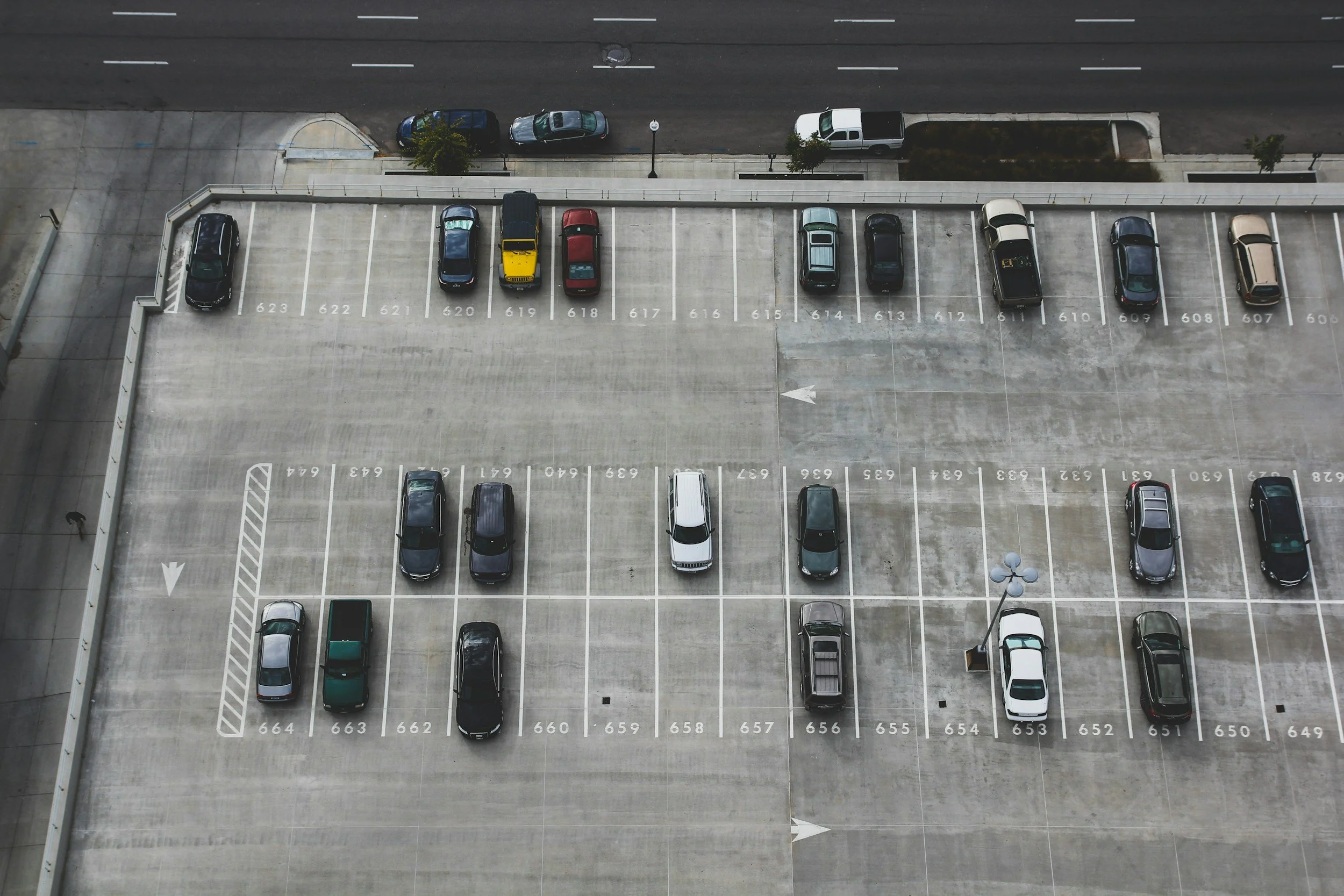
Parking is often discussed in terms of availability, but its financial impact can extend beyond a monthly charge per stall.
For downtown and higher-density office locations, paid parking can add considerably to the effective cost of occupancy when applied across a larger workforce. For suburban office and retail properties, parking may be included but availability, ratio and exclusivity can still influence the suitability of the premises.
Industrial users face a different set of site considerations.
Yard maintenance, snow clearing, trailer storage, security, exterior lighting and loading areas can all affect operating costs depending on how responsibilities are allocated.
In each case, the important question is not simply whether the property has the required parking or site area, but what it costs to use and maintain it over the term of the lease.
6. Relocation, Fixturing and Downtime
The cost of moving a business can be substantial, particularly when the operation involves specialized equipment, inventory or infrastructure. Beyond the physical move, costs may include IT and telecommunications, signage, furniture, security systems, racking, equipment installation, professional consultants and permits.
Downtime can be equally important. A delayed buildout or complicated relocation can affect operations and revenue. In some cases, businesses may need to carry two locations temporarily while construction is completed or operations are transitioned.
Timing provisions within the lease can therefore have real financial value. Fixturing periods, early access, rent commencement and possession dates can materially affect the total cost of getting into the space.
These considerations are difficult to capture in a simple per-square-foot comparison, but they are very real components of a leasing decision.
7. The Cost Over the Full Lease Term
Perhaps the most important comparison is also one of the easiest to overlook: What does the space cost over the entire lease?
A first-year rental rate provides only a snapshot. Contractual rent increases, projected changes in operating costs, improvement expenditures, parking, maintenance obligations and other recurring expenses all contribute to the total financial commitment.
Consider two properties where one offers a lower starting rent but includes annual increases, while another begins at a higher rate with a different escalation structure. The less expensive option in year one may not remain the less expensive option by year five.
Free-rent periods, tenant improvement allowances and other inducements further complicate a direct comparison.
Looking at the expected occupancy cost over the full term rather than simply comparing opening rental rates provides a much more useful measure of the economics of competing opportunities.
Comparing the Economics, Not Just the Rent
Consider a straightforward example.
A 10,000-square-foot property offered at $16.00 PSF net appears less expensive than a comparable property offered at $18.00 PSF net. The difference in base rent is $20,000 per year.
But assume the $18.00 property has lower additional rent, requires substantially less tenant improvement work and includes a landlord contribution toward the remaining improvements.
That $2.00 PSF difference can disappear quickly.
The same is true when comparing an older building with higher utility costs against a newer, more efficient property, or a location requiring paid employee parking against one where parking is included.
None of these factors should be considered in isolation.
The objective is to understand the total occupancy economics of each opportunity and how they align with the operational requirements of the business.
Look Beyond the Headline Number
Rental rates provide a useful starting point for narrowing a commercial property search. They are not always the best measure for determining which opportunity represents the strongest value.
Lease structure, additional rent, capital requirements, building efficiency, maintenance obligations, inducements and escalation provisions can all materially change the economics of a transaction.
There are also factors that are more difficult to quantify. A more efficient layout may allow a business to occupy less square footage. Better access can improve logistics. Existing infrastructure may eliminate the need for costly upgrades. A location that better serves employees or customers may justify a higher occupancy cost.
The strongest leasing decisions balance all of these considerations.
Rather than asking which property offers the lowest rate per square foot, the more useful question is:
Which property provides the best overall combination of occupancy cost, functionality and long-term value?
At ICI Properties, our team works with businesses to evaluate commercial real estate opportunities from both an operational and financial perspective. That means looking beyond the asking rate to understand how a property will function day to day, what the lease will cost over time, and where there may be opportunities to improve the overall deal structure.
From comparing properties and reviewing occupancy costs to assessing lease terms, improvement requirements and long-term flexibility, we help clients make informed decisions that align with both their immediate needs and broader business objectives. The right space is not simply the one with the lowest rent. It is the one that delivers the strongest overall fit and value for the business over the life of the lease.
If you’re considering a new lease, relocation, expansion or renewal, connect with the ICI Properties team to discuss your requirements. Whether you’re actively searching for space or simply evaluating your options, we can help you better understand the market, identify opportunities and approach your next commercial real estate decision with confidence.